
Last Updated: March 31, 2026
General·11 min read
Best free SAT practice tests online 2026: Complete guide
Here's the hard truth: free SAT practice tests aren't optional. They're essential diagnostic tools that show you exactly what you don't know, and that.
Larry Learns Team
Updated 
Meet Larry
Turn SAT & ACT Prep Into a Game
Take a free diagnostic, discover your score, and improve through bite-sized daily challenges.
- Discover your score in 2 minutes
- 25,000+ SAT & ACT practice questions
- Daily streaks, goals & leaderboards
Start Free Diagnostic
No credit card requiredTakes 2 minutes

Your estimated SAT
1240Goal: 1400
4001600
Free 2-minute diagnostic
Key Takeaways
- College Board's Bluebook app offers 8 free official digital adaptive practice tests (Tests 4 through 11), the gold standard for SAT prep
- Free tests from Kaplan, Princeton Review, and Magoosh provide realistic benchmarks but lack the official format precision
- Taking 3-4 full-length tests with thorough review beats taking 10 tests with no analysis
- Pair free practice tests with targeted question practice and AI-guided explanations for maximum score improvement
- Monthly testing with detailed review can boost your score by 150-300 points over a semester
Why Free SAT Practice Tests Matter More Than You Think
Here's the hard truth: free SAT practice tests aren't optional. They're essential diagnostic tools that show you exactly what you don't know, and that information is worth more than any study guide or flashcard app. Yet most students treat them like busy work, clicking through to see a score and moving on. That's where the real opportunity gets wasted.
Taking practice tests is one of the most effective ways to prepare because it helps identify areas for improvement and builds familiarity with test mechanics. This matters even more now that the SAT went fully digital in 2024, bringing an adaptive format where the difficulty shifts based on your performance. You can't simulate that experience with traditional study methods; you need the actual test platform to understand how it feels when questions get harder mid-section.

The difference between students who gain 200+ points and those who plateau comes down to strategy, not luck. Quality practice with detailed review beats quantity of tests without analysis every single time. This guide cuts through the noise by showing you which free resources actually work, how to use them strategically, and what to do with your results so each test genuinely moves your score forward.
Loading practice questions...
The Top 5 Free SAT Practice Tests You Need to Know About
If you're serious about raising your SAT score without spending money, you need to know the difference between these five resources. They're not all created equal, and choosing the right ones depends on what you actually need.
College Board Bluebook is the obvious starting point. You get eight official full-length digital adaptive tests (Tests 4 through 11) that use the exact same format, timing, and scoring as test day. This matters more than you'd think; practicing on the real thing builds confidence and prevents surprises when you sit for the actual exam. The trade-off is minimal instruction, so you'll need supplemental help understanding why you missed questions.
Khan Academy pairs perfectly with Bluebook. You get thousands of practice questions with video explanations and personalized study plans that sync to your Bluebook results. This fills the instruction gap beautifully.
Kaplan and Princeton Review both offer solid free full-length tests with detailed score reports. Kaplan's strength is its instructional videos tied directly to your performance; Princeton Review excels with adaptive testing and downloadable PDFs you can use offline. Neither replaces Bluebook's accuracy, but they're valuable for variety and specific strategy instruction.
Magoosh rounds out your arsenal with one free full-length test plus predictive scoring and subject breakdowns. It's lighter than the others, but useful for a quick assessment.
The smart play: start with Bluebook and Khan Academy, then rotate through the others as you progress. This prevents burnout while keeping your practice tests fresh and your learning varied.
College Board's Official Tests: Why They're the Gold Standard
Here's the reality: if you're serious about SAT prep, you need to start with College Board's official practice tests. They literally create the actual SAT, which means their materials are built to the exact specifications, difficulty calibration, and scoring standards you'll face on test day. No third-party test can replicate this level of authenticity.
The Bluebook app is where most students should focus their efforts. It offers seven full-length digital adaptive practice tests that mirror the real exam's format and functionality. The adaptive feature is crucial; it adjusts the difficulty of your second module based on how you perform on the first, just like the actual SAT does. This means you're practicing under the same conditions that will determine your real score.
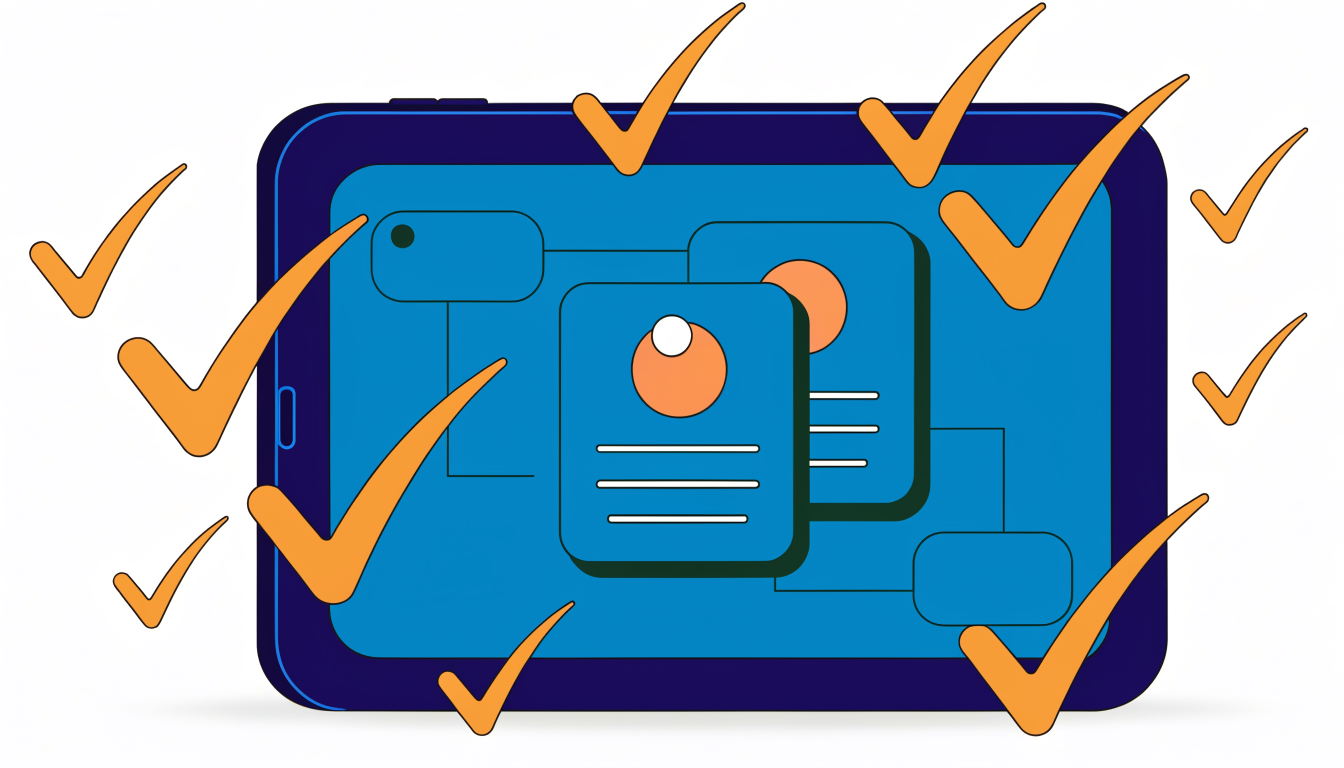
What makes these tests invaluable is the instant feedback. After finishing each practice test, you receive a detailed score report showing exactly where you stand, plus performance breakdowns by section and question type. This data-driven approach lets you identify patterns in your mistakes rather than just guessing what went wrong.
If you prefer working on paper, College Board provides downloadable PDFs with complete scoring guides and answer explanations. These work particularly well for students with accommodations or those who simply think better with pencil and paper.
Start here. Build your foundation with these official tests, track your progress carefully, and only then layer in supplementary resources.
How to Actually Use Free Practice Tests to Improve Your Score
Taking a free SAT practice test is only half the battle. What you do after matters far more than the test itself.
Here's the brutal truth: quality beats quantity every time. Taking 10 practice tests without analyzing your mistakes won't move your score. Instead, commit to 3 or 4 full-length tests with ruthless, detailed review. Each test should take about 3 hours; budget another 3 hours minimum for analyzing what went wrong. Taking practice tests in one sitting builds stamina and test day experience, which means you can't break up tests into sections and expect the same benefit.
When you finish a test, resist the urge to move on immediately. Sit with your mistakes. For each wrong answer, identify the real cause: Did you misunderstand the concept? Did time pressure rush you into a careless error? Did you misread the question? These distinctions matter because your fix depends on the diagnosis. A conceptual gap needs targeted skill-building; a timing issue needs strategic pacing adjustments; a careless mistake needs a checklist to slow you down on test day.
Look for patterns across your errors. Are you consistently missing inference questions? Struggling with algebra? Running out of time on the last reading passage? These patterns reveal your actual weak spots, not just random wrong answers.
This is where most students hit a wall. Most students need additional help beyond practice tests to pinpoint weaknesses and teach skills needed for success. Free tests show you what's broken; they don't always show you how to fix it. Between full tests, use your error analysis to guide focused practice on specific question types or skills.
The cycle is straightforward: take test, analyze thoroughly, target weak areas with focused drills, repeat. It's methodical, sometimes tedious, but it actually works.
The Monthly Testing Strategy That Actually Works
Here's what separates students who see real score improvements from those who spin their wheels: they test monthly, not weekly.
Taking one full-length practice test per month with focused review and tracking can raise your score by 150 to 300 points over a semester. That's not hype; that's what consistent, spaced practice actually delivers. The key is spacing. Monthly intervals give you enough time to learn from each test before the next one arrives, preventing the burnout that comes from constant testing while still building the endurance the SAT demands.
The SAT measures consistency, not cramming. By spreading practice through full tests, targeted review, and data tracking, you train your brain for both content mastery and stamina. Your body and mind need recovery time between major efforts; that's just how learning works.
Here's how to structure it:
November through January focuses on building endurance and understanding question types. You're not worried about speed yet; you're learning the test's rhythm and patterns. Take your monthly test under timed conditions, then spend two to three weeks drilling the question types that tripped you up.
February and March shift to timing and weak sections. Now that you understand the test structure, you refine your approach. You know which sections drain your clock, and you have data showing which question types consistently cost you points.

Keep a simple log of every practice test: date, composite score, section breakdowns, which questions you missed, and why. This isn't busywork. These logs reveal patterns you can't see in your head. Maybe you always struggle with the second passage. Maybe your math timing falls apart after question 25. Data doesn't lie; it tells you exactly where to focus next.
Frequently Asked Questions About Free SAT Practice Tests
How many practice tests should I actually take?
Start with three to four full-length tests minimum. This gives you a baseline, shows you patterns in your mistakes, and lets you practice pacing under real conditions. If you have more time before test day, keep going. Eight to ten tests is ideal for serious score improvement. The key: full-length only. Shorter drills can't replicate the mental endurance and timing pressure you'll face on test day.
Are free tests as accurate as paid ones?
College Board creates the actual SAT, making their practice materials the most accurate preparation tool available. Their official tests in Bluebook are the gold standard. You don't need premium prep services just for practice material; the free stuff from the source is legitimately better than most paid alternatives.
Can free tests alone get me to my goal score?
Honestly? For some students, yes. But most need help beyond practice tests. Most students benefit from targeted instruction to identify weak areas and learn specific skills needed for success. Free tests show you what's broken; they don't always teach you how to fix it. Think of practice tests as your diagnostic tool, not your complete treatment plan.
What if I don't have time for full-length tests?
Make time. A full three-hour test is non-negotiable if you want accurate results. You can't replicate test-day conditions with 30-minute drills. If schedule is tight, take one full test every two weeks instead of rushing through partial ones.
How do I track improvement?
Record your scores monthly and look for patterns. Which sections improved? Which stayed flat? This tells you where to focus your next study block. Improvement isn't always linear, but tracking reveals real progress you might otherwise miss.
Beyond Free Tests: Why Strategic Practice Matters
Here's the hard truth: taking a free SAT practice test shows you where you're weak, but it doesn't fix those weaknesses. That's the gap most students hit around their second or third test, when scores plateau despite putting in the hours.
A single diagnostic test identifies problems. Real improvement requires targeted work on those specific problems. Between full practice tests, you need focused drills on the question types and skills that actually tripped you up. This is where most free resources fall short. They give you the test, maybe a score breakdown, but then leave you to figure out the path forward on your own.
Here's what actually works: combine free official tests from Khan Academy or the College Board with strategic, focused practice on your weak spots. The smartest approach targets your specific gaps rather than grinding through random problems. Quality beats quantity every time. One expert SAT coach puts it simply: three practice tests with detailed review beats six tests with none.
The missing piece for most students is adaptive, guided practice. You need explanations that teach you the underlying concept, not just confirm the right answer. You need difficulty that adjusts to keep you challenged but not overwhelmed, staying in that sweet spot where real learning happens.
Free tests are your starting point, not your entire strategy. They're the diagnostic. The real work happens in the weeks between tests, when you're systematically building skills and understanding patterns. That combination of diagnostic data plus targeted practice is what transforms a score from stagnant to significantly higher.
Start Your SAT Prep Journey Today
Here's the reality: free SAT practice tests are your diagnostic foundation, not your complete solution. They reveal what you know, what you don't, and where your effort matters most. But taking a test and improving from it are two different things.
This week, download College Board's Bluebook and take your first full practice test under real conditions. No distractions, no stopping halfway through. You'll walk away with your baseline scores and a clear picture of what needs work.
From there, treat monthly testing as your progress checkpoint. Real improvement doesn't happen during tests; it happens in the weeks between them. That's when targeted practice fills your gaps, when you actually learn from mistakes instead of just seeing them.
The gap between diagnosis and improvement is where most students get stuck. They know their weak spots but don't have a systematic way to strengthen them. Pairing free practice tests with adaptive, personalized study strategies changes everything. You'll spend less time on what you already know and more time on what actually moves your score.
The hardest part isn't finding free resources. It's starting now, staying consistent, and following through when improvement feels slow. Your baseline test is waiting. Take it this week.


Ready to test your knowledge?
Put what you've learned into practice with our intelligent quiz system.