
Last Updated: March 26, 2026
General·11 min read
5 Proven ACT Test Anxiety Solutions That Actually Work
You're not alone in this struggle. Between 10-40% of students experience test anxiety, and if you're reading this, you've likely felt it yourself or watched.
Larry Learns Team
Updated 
Meet Larry
Turn SAT & ACT Prep Into a Game
Take a free diagnostic, discover your score, and improve through bite-sized daily challenges.
- Discover your score in 2 minutes
- 25,000+ SAT & ACT practice questions
- Daily streaks, goals & leaderboards
Start Free Diagnostic
No credit card requiredTakes 2 minutes

Your estimated SAT
1240Goal: 1400
4001600
Free 2-minute diagnostic
Quick Summary
- 10-40% of students experience ACT test anxiety; you're not alone in this struggle.
- Anxiety stems from feeling unprepared; structured practice is your best defense.
- Master breathing techniques, visualization, and positive self-talk for test day.
- Sleep, nutrition, and early arrival create a calm foundation for success.
- Reframe anxiety as energy that helps you focus, not a sign of weakness.
What Is ACT Test Anxiety and Why It Happens
You're not alone in this struggle. Between 10-40% of students experience test anxiety, and if you're reading this, you've likely felt it yourself or watched someone you care about battle it before the ACT.
Test anxiety isn't a character flaw or a sign you're unprepared for college. It's a physical and mental response your body triggers when facing high-stakes pressure. The symptoms are real and recognizable: a racing heart, nausea, headaches, sweating, and muscle tension that makes sitting still feel impossible. Your mind might go blank mid-problem, negative thoughts spiral ("I'm going to fail"), or you find yourself unable to concentrate even on questions you've practiced dozens of times.

Here's what matters: test anxiety stems primarily from feeling unprepared and losing control. The good news? This is a conditioned response, which means it can be changed. Anxiety isn't permanent; it responds to the right strategies, preparation, and mindset shifts. The solutions in this guide work because they address both the root cause (preparation gaps) and your body's stress response. You can do this.
Loading practice questions...
Solution 1: Build Unshakeable Confidence Through Structured Practice
Here's the truth: anxiety thrives in uncertainty. When you don't know what to expect on test day, your brain fills that gap with worst-case scenarios. The antidote isn't positive thinking or relaxation techniques alone. It's knowing, with absolute certainty, that you've done this before.
Structured practice is your confidence builder. Spreading out practice over time and creating a consistent study routine can reduce last-minute cramming and help students feel more confident and prepared. This means starting your preparation months ahead, not weeks. Each study session compounds your familiarity with the test format, question types, and time pressure. You're not just learning content; you're rewiring your nervous system to recognize the ACT as manageable.
Full-length timed practice tests are non-negotiable. Taking full-length practice tests helps students know exactly what to expect on test day. Practicing under real conditions matters enormously. You experience the mental fatigue of four hours of testing. You learn your pacing. You discover which sections drain your focus. By test day, nothing surprises you.
Here's what happens with each completed practice test: you prove to yourself that you can finish. You survive the experience. Your brain logs this as evidence that you're capable. That's not fake confidence; that's earned confidence. The voice in your head that whispers "I can't do this" gets quieter with every practice run.
Pair this with a structured study plan that prevents last-minute panic. Know exactly what you're practicing and when. Track your progress on specific question types. Watch your scores climb. This isn't busywork; it's building the foundation that makes anxiety powerless.
Solution 2: Master the Mindset Shift That Changes Everything
Here's what most students get wrong about test anxiety: they treat it like an enemy to eliminate. But your nervous system is actually trying to help you. That racing heartbeat, sharpened focus, and surge of energy? Those are the same physiological responses elite athletes experience before competition. The difference isn't the feeling itself; it's how you interpret it.
When you feel anxious before the ACT, your body releases adrenaline and cortisol. Rather than labeling this as "I'm panicking," try reframing it as "I'm energized and ready." Research shows that reframing stress as beneficial and energizing helps students perform better. Your brain actually listens to these interpretations, and over time, your body responds differently to the same physical sensations.

This brings us to self-talk. Replace "I'm going to fail" with "I've prepared for this, and I'm capable of doing my best." The second statement is realistic and grounded in what you've actually done. Pair this with a growth mindset: view the ACT not as a judgment of your intelligence, but as an opportunity to learn what you need to improve. Challenges don't prove your worth; they show you where to focus next.
Anxiety signals that something matters to you. That's not weakness; that's evidence you care about your future. Acknowledge the feeling without fighting it, reframe it as fuel, and move forward with intention.
Solution 3: Prepare Your Body (Sleep, Food, Exercise)
Here's the hard truth: no amount of positive thinking will compensate for sleep deprivation. Your brain under anxiety is already running on overdrive, and without proper rest, it becomes hypervigilant and prone to panic. Health factors such as hours of sleep and eating breakfast were related to reduced anxiety and greater test performance, according to ACT's own research. Aim for 7-9 hours the week before the test, and absolutely protect sleep the night before.
What you eat matters as much as how much you sleep. Your nervous system reacts directly to blood sugar fluctuations, which means a sugary breakfast sends you into a crash exactly when you need stability most. Instead, eat protein with complex carbs: eggs with whole grain toast, Greek yogurt with berries, or oatmeal with nuts. Eating a good, balanced meal will help you feel good during the test and can even help your cognitive skills.
Don't skip movement either. Light exercise in the days leading up to test day reduces cortisol (your stress hormone) and releases endorphins that actually calm your nervous system. A 20-minute walk, yoga session, or swim is enough; you're not training for a marathon. These three pillars,sleep, nutrition, and movement,aren't optional wellness tips. They're foundational anxiety management tools, scientifically proven to work better than willpower alone.
Solution 4: Use Proven Breathing and Grounding Techniques During the Test
When anxiety hits during the test, you need tools that work fast. The good news: you don't need to leave your seat or take more than 10-15 seconds to reset your nervous system. These techniques are science-backed and designed specifically for the pressured environment of test day.
The 4-4-4 Breathing Technique is your quickest reset button. Inhale slowly for four counts, hold for four counts, then exhale for four counts. Repeat three to four times. This simple pattern signals your body that you're safe, activating your parasympathetic nervous system and lowering your heart rate almost immediately. Breathing exercises are one of the most effective ACT stress relief techniques, and you can do this between sections without anyone noticing.
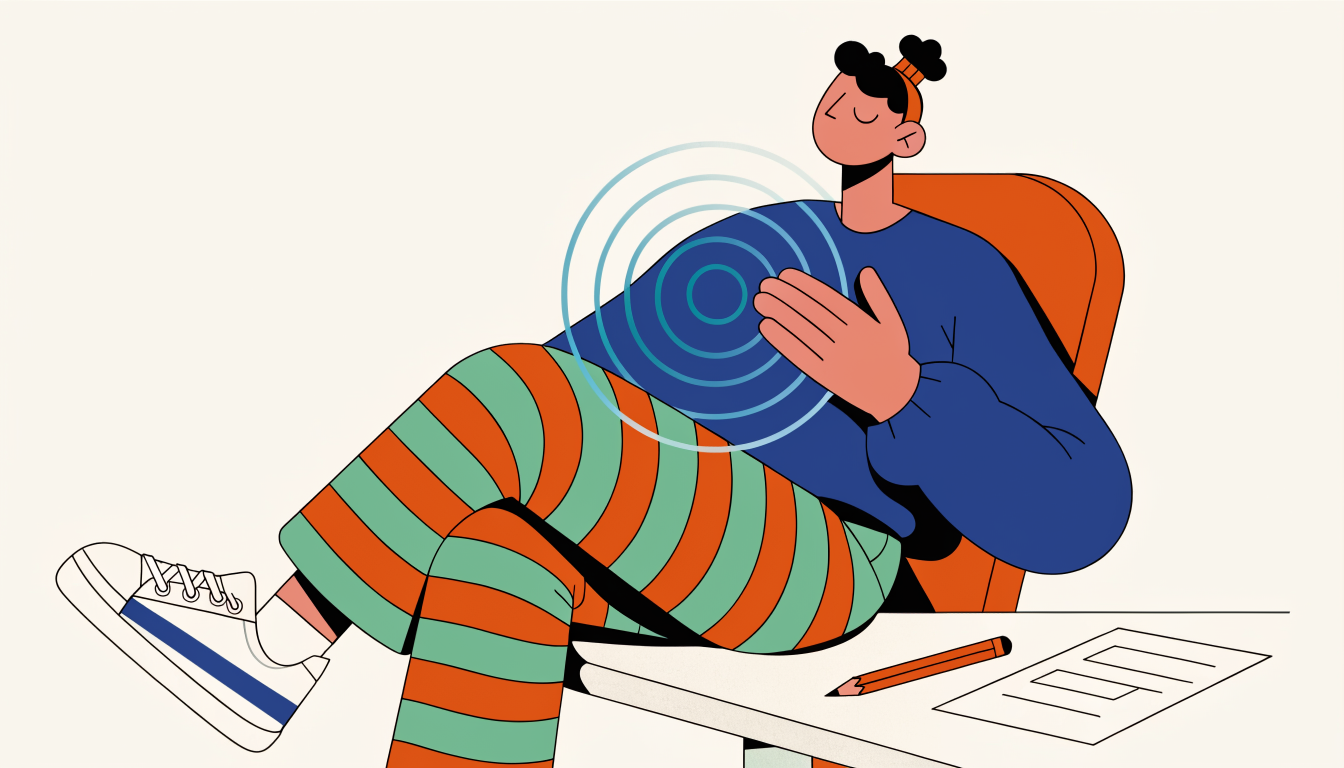
If breathing alone isn't enough, try the 5-4-3-2-1 grounding technique. Name five things you see, four things you can physically touch, three things you hear, two things you can smell, and one thing you can taste. This anchors your mind in the present moment instead of spiraling into worry. The 5-4-3-2-1 coping technique helps students reduce symptoms of test anxiety by shifting focus away from fear.
Before test day, practice visualization. Close your eyes and mentally rehearse yourself working through a practice section calmly and successfully. Visualization exercises allow your brain to rehearse success before the moment arrives, building confidence that carries into the real exam.
Implement "Page Turn Zen" at every section break: pause, take three deliberate deep breaths, and refocus. These small moments of intentional calm prevent anxiety from building throughout the test.
Solution 5: Prepare Like a Pro the Night Before and Morning Of
The night before your ACT, stop studying. Seriously. Your brain needs rest more than it needs last-minute cramming. Instead, channel your nervous energy into something productive: organization. This isn't busywork; it's a psychological anchor that reduces morning chaos and builds genuine confidence.
Gather everything you need and lay it out in one spot. Your admission ticket, photo ID, calculator (with fresh batteries), pencils, eraser, and approved snacks go into a dedicated bag. Add a water bottle. Check your test center's rules once more. This ritualistic preparation signals to your brain that you're ready, shifting anxiety into purposeful action.
Set out your clothes and lay them nearby. Choose something comfortable that you've worn before; test day isn't the time for new outfits. Set multiple alarms on your phone and a backup alarm. Seriously, multiple alarms.
Aim for 7 to 9 hours of sleep, not more. Extra sleep often backfires, leaving you groggy and sluggish. A consistent sleep schedule matters more than oversleeping. Go to bed at a normal time and wake refreshed.
The morning of the test, eat a balanced breakfast with protein and whole grains. Think eggs with toast, Greek yogurt with granola, or oatmeal with nuts. Skip the sugar crash. Hydrate well, but not so much that you're in the bathroom during the exam.
Arrive at your test center 15 to 20 minutes early. This buffer gives you time to locate your room, use the restroom, and settle your nervous system before sitting down.
You've done the work. Now trust it. Being organized isn't just practical; it's your final act of self-care before the test.
Frequently Asked Questions About ACT Test Anxiety
Is test anxiety actually normal? Absolutely. Research shows that 10 to 40 percent of students experience test anxiety, so you're not alone in feeling nervous before the ACT. This isn't a character flaw or a sign you're unprepared. It's your brain's natural stress response, and the good news is that it's manageable with the right strategies.
Does anxiety actually hurt your score? It can, but not in the way you might think. Mild anxiety can actually sharpen your focus. The problem arises when anxiety becomes so intense that it interferes with concentration or causes you to rush through questions. This is exactly why the preparation and coping techniques in this guide matter so much. They don't eliminate nervousness; they help you perform despite it.
When should I start preparing for the ACT? Ideally, begin studying three to four months before test day. This timeline gives you enough time to identify weak areas, build confidence through practice tests, and develop anxiety-management skills without cramming. Last-minute studying often amplifies anxiety because you feel less prepared.
What if my anxiety feels severe? If test anxiety is significantly impacting your daily life or practice test performance, talk to a school counselor, therapist, or your doctor. They can assess whether you might benefit from cognitive behavioral therapy, breathing exercises tailored to your needs, or other professional support. There's no shame in getting help; it's actually a smart, proactive move.
Can I retake the ACT? Yes. You can take the ACT multiple times, and colleges typically see your highest score. Knowing you have another opportunity can reduce pressure on test day. Many students perform better on their second or third attempt simply because anxiety decreases once they've experienced the test format firsthand.
How do I know if my anxiety is improving? Track your practice test scores and note how you feel during practice sessions. Are you sleeping better the night before? Can you focus for longer stretches? Small improvements matter. Progress isn't always linear, but consistent effort compounds over time.
The Bottom Line: You've Got This
You've implemented five concrete strategies: you've built genuine preparation through consistent practice, reframed your mindset to see anxiety as fuel rather than failure, trained your nervous system to stay calm under pressure, mastered test-day techniques that keep you focused, and handled the logistics so nothing catches you off guard. That's not just a study plan. That's a complete system designed to put you in control.
Here's what matters most: anxiety is a conditioned response that can be changed with repetition, reframing, and support. Your anxiety isn't a character flaw or a sign you're not ready. It's evidence that you care about your future, and that matters. Thousands of students feel exactly what you're feeling right now, and thousands of them walk out of test day having conquered it.
The single most powerful anxiety reducer isn't motivation or willpower. It's repetition. When you've seen a problem type fifty times, a hundred times, it stops being scary. It becomes routine. That's why structured practice isn't optional; it's foundational. Each practice test, each timed section, each mistake you review builds the confidence that no amount of reassurance can manufacture.
You're not starting from zero. You're starting from a place of awareness and preparation. You know what's coming. You have tools. You have a framework. That puts you miles ahead of students who just hope for the best.
Test day will arrive, and when it does, you'll be ready. Not because anxiety disappears (it might not), but because you've prepared for it. Because you know how to manage it. Because you've practiced enough times that your preparation speaks louder than your nerves.
Take action today. Start implementing these strategies now. The time between now and test day is your advantage. Use it.



Ready to test your knowledge?
Put what you've learned into practice with our intelligent quiz system.